MetaNFT is an open infrastructure layer for NFT trading, cross-marketplace arbitrage discovery, and MEV-aware execution — built across 14 chains, secured on-chain, owned by no single party.
The digital asset economy has moved past static JPEGs. MetaNFT builds the rails for what NFTs are becoming — programmable, cross-chain, and actively traded assets.
The market has moved from speculative hype to structured trading with real liquidity venues.
Assets live on-chain, verifiable by anyone, controlled by no single custodian.
Smart contracts let NFTs carry logic — royalties, access rights, composability.
Anyone, anywhere, can hold and trade the same asset under the same rules.
A snapshot of the collections MetaNFT tracks for pricing signals and arbitrage discovery across venues.
A technology-driven stack focused on NFT trading, arbitrage discovery, MEV-aware execution, and the Web3 infrastructure underneath it.
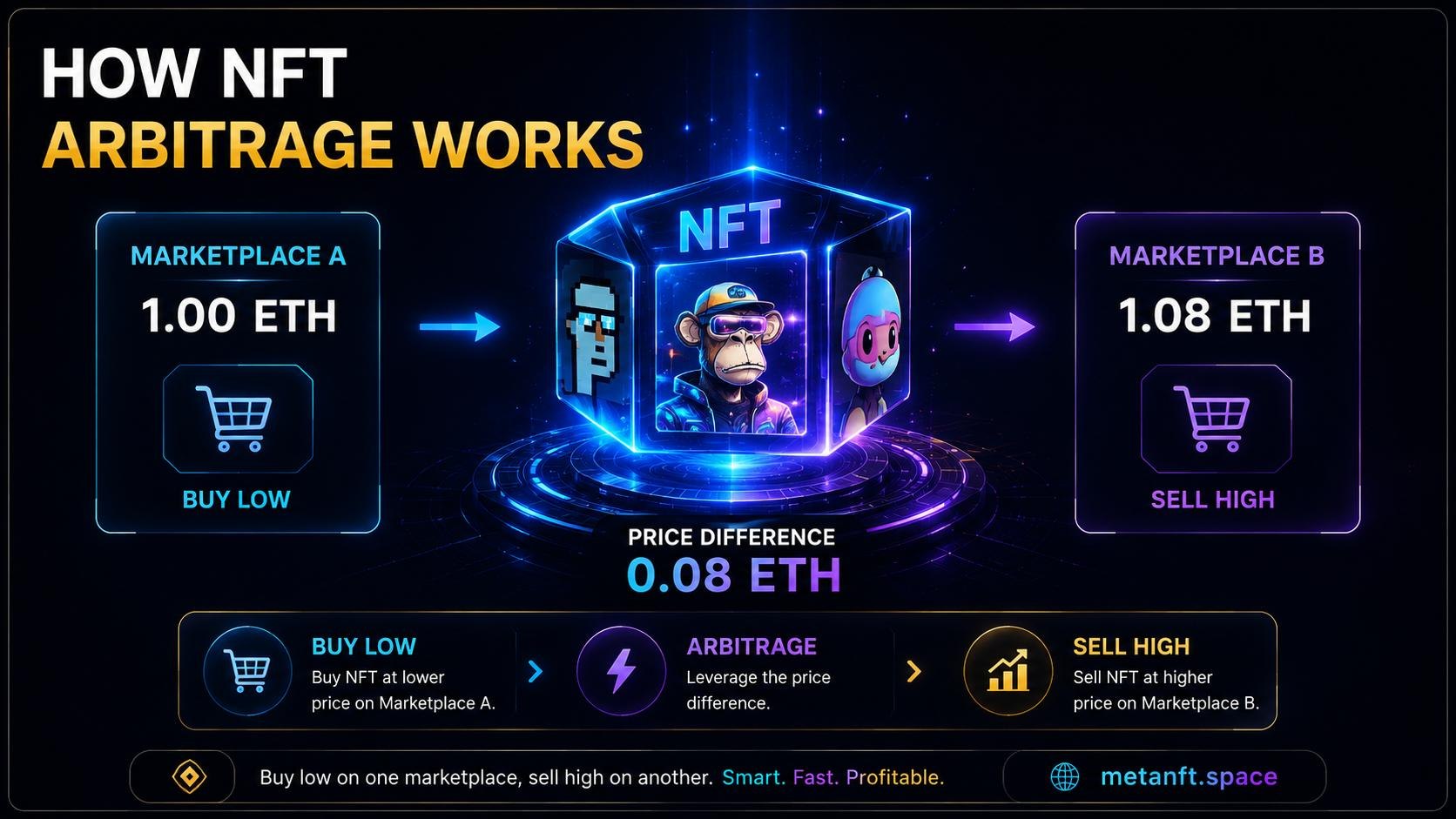
The same NFT can list at different prices across marketplaces at the same moment. Arbitrage is the practice of buying where it's priced lower and selling where it's priced higher.
Scan listings for the same NFT across marketplaces to find a favorable price difference.
Execute the purchase where price is lowest, accounting for gas and marketplace fees.
List or fill an existing bid on the higher-priced venue to realize the spread.
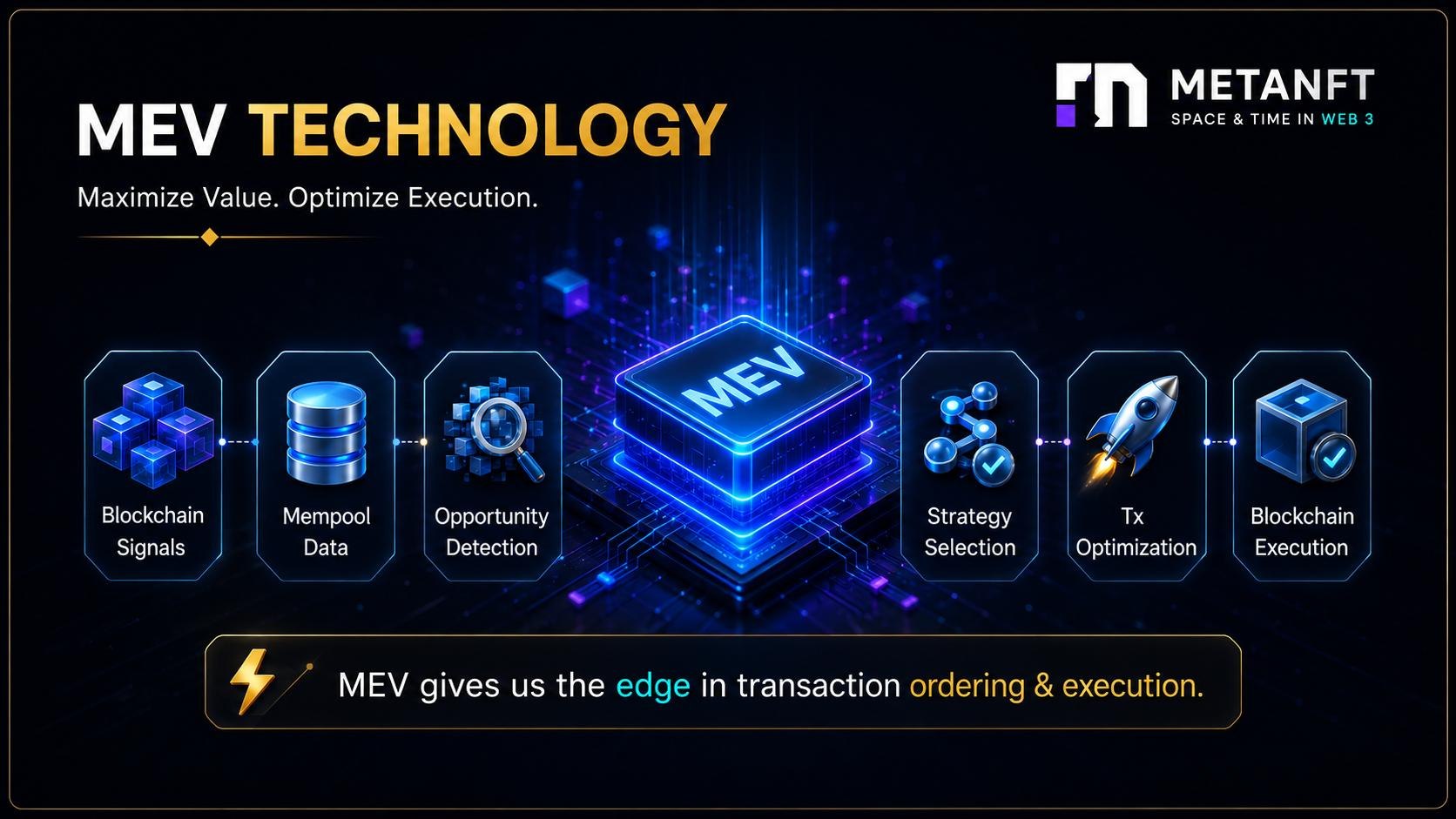
MEV (Maximal Extractable Value) infrastructure gives transaction ordering and execution an edge — from raw chain signals to final settlement.
Built on a multi-layer blockchain architecture designed for transparency, speed, and security at every step.
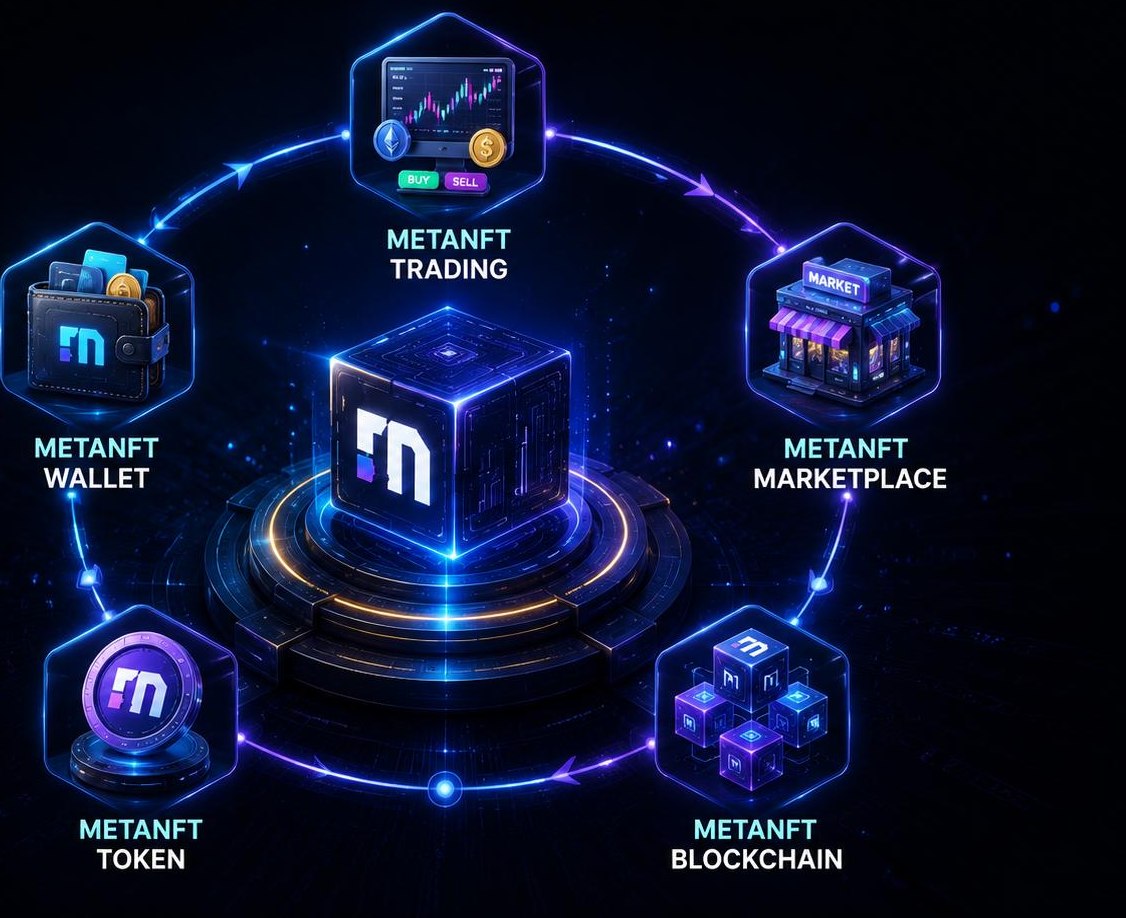
Trading, marketplace, wallet, token, and blockchain — designed to work as a single unified loop.
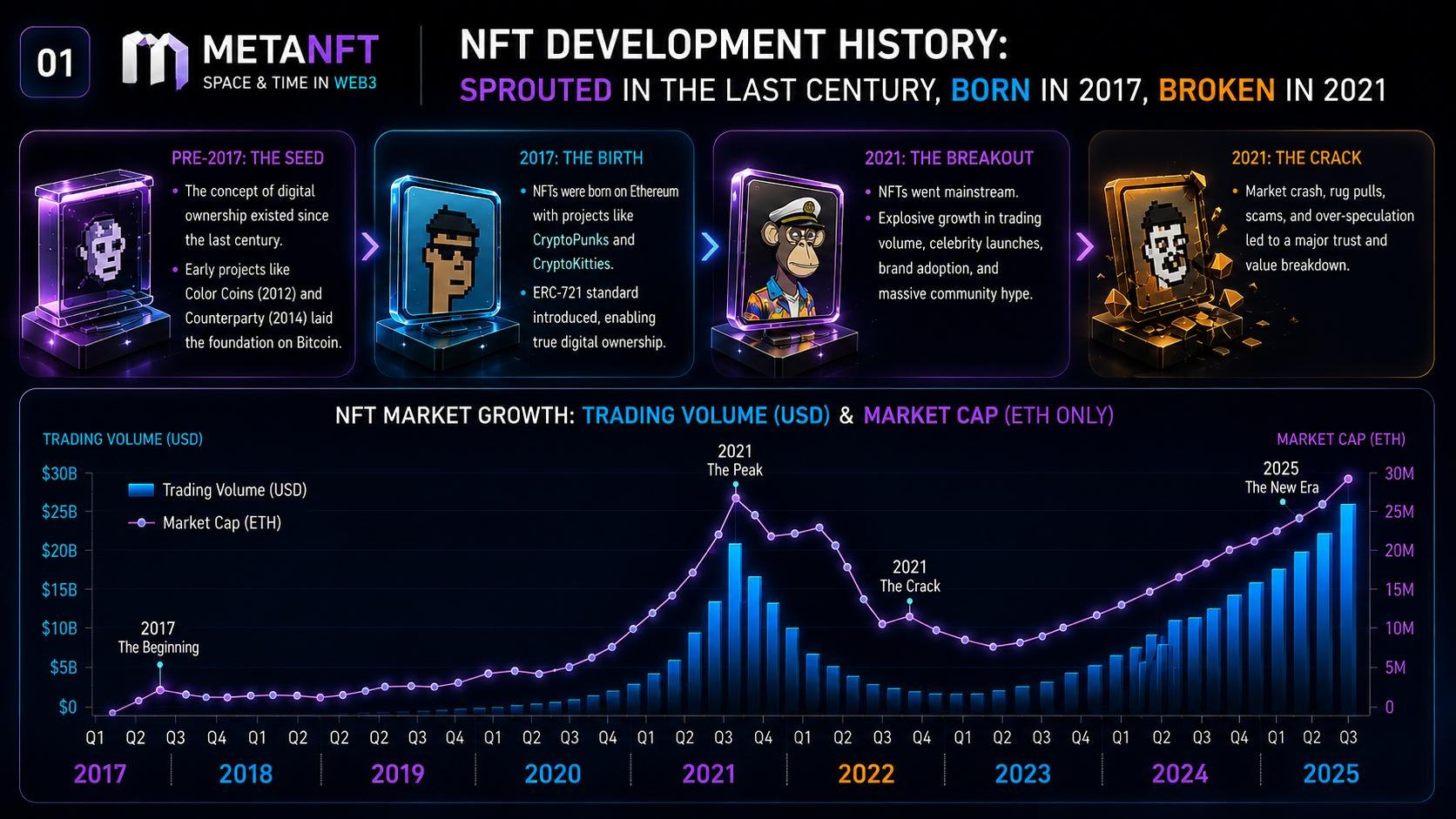
NFTs went from a niche Ethereum experiment to a full trading economy. Here's the trend, and what's shaping the next phase.
Illustrative trend shape based on publicly discussed NFT market cycles (2017 launch → 2021 peak → 2022 correction → 2024–25 recovery). For orientation, not financial guidance.
The ERC-721 standard formalized true digital ownership; early projects proved the concept.
NFTs went mainstream with explosive trading volume, brand adoption, and community hype.
Over-speculation and scams triggered a trust reset — the market matured through it.
Infrastructure-first thinking — arbitrage tooling, cross-chain liquidity, real utility.
Assets and liquidity increasingly move across chains rather than staying siloed.
Standards are evolving to give creators and holders more built-in control.
Arbitrage scanners, risk monitoring, and audited infrastructure are becoming table stakes.
Gaming assets, access passes, and tokenized real-world items are expanding the category.
Every layer of the stack is designed to be verifiable — not just trusted.
Six reasons the ecosystem is built the way it is.
Trading infrastructure, marketplace, wallet, token, mainnet, and global expansion — in that order.
What a purpose-built NFT trading layer gives you that a single marketplace can't.
To build a next-generation Web3 ecosystem that connects NFTs, arbitrage, MEV, and blockchain infrastructure into one coherent, usable layer.
A world where anyone can participate in the digital asset economy with technology, transparency, and trust — decentralized by default.
Create an account to explore the platform, track collections, and see arbitrage opportunities as they surface.